
In today’s interconnected world, student areas play a critical role in shaping scholastic and personal experiences.

These areas are not just collections of individuals but are vibrant communities that cultivate growth, learning, and partnership among trainees. They differ commonly in type and function, from campus-based teams to worldwide on-line forums, each offering one-of-a-kind possibilities for engagement and development.
Whether you are stepping onto an university university for the very first time or taking part in online discovering atmospheres, understanding the structure and advantages of pupil neighborhoods can significantly boost your academic journey. This write-up delves into the essence of pupil student learning support areas, checking out exactly how they function, the benefits they provide, and the methods which they can be leveraged for individual and academic success.
Understanding Pupil Communities
Pupil areas are foundational to the academic experience, acting as both social and academic support group. At their core, these areas are teams formed normally by students that share typical rate of interests, objectives, or disciplines. They can be casual, such as study hall, or official, like pupil unions and clubs.
These neighborhoods are identified by a common identity and the cumulative search of knowledge, abilities, and experiences. They work as platforms for pupils to link, work together, and add to each various other’s development, extending beyond academic limits to influence individual advancement and community interaction.
Essentially, pupil neighborhoods are microcosms of larger societal structures, where leadership skills are developed, ideas are exchanged, and lifelong friendships are created. The communications within these communities reflect a diverse mix of cultural, intellectual, and social dynamics.
- Networking Opportunities: Pupil areas give a network of peers and coaches who can use support and support.
- Skill Development: Taking part in neighborhood activities assists trainees establish vital abilities such as interaction, leadership, and team effort.
- Resource Gain access to: These neighborhoods commonly give accessibility to scholastic resources, consisting of research study materials and expert suggestions.
- Social Involvement: They use a system for social communication, reducing the change into brand-new scholastic environments and helping to deal with isolation.
With these various features, trainee communities become integral to the all natural development of trainees, laying a foundation for future specialist and personal success.
The Advantages of Engaging in Trainee Neighborhoods
The benefits of taking part in trainee neighborhoods are diverse, influencing both scholastic and individual rounds.
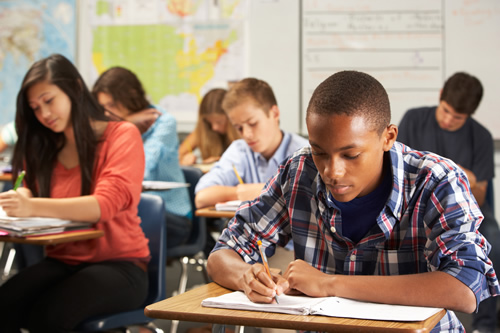
On a scholastic degree, these neighborhoods motivate collaborative learning, permitting students to gain from varied perspectives and proficiency. Sharing knowledge and resources within a community can result in more effective understanding results and boosted academic performance.
Furthermore, trainee neighborhoods offer a system for individual growth and self-discovery. By involving with peers from various histories and disciplines, students gain a more comprehensive worldview, enhancing their social skills and compassion. This direct exposure to varied point of views is indispensable in establishing crucial thinking and problem-solving skills.
In addition, energetic participation in neighborhood activities can improve trainees’ confidence and self-worth. Handling management roles or taking part in discussions and occasions promotes a feeling of accomplishment and belonging, which is vital for total wellness and inspiration.
Types of Student Areas
Student neighborhoods been available in numerous forms, each accommodating various rate of interests and goals. These can be extensively classified right into academic, social, leisure, and specialist neighborhoods, among others. Each type supplies distinct platforms and opportunities for pupil involvement.
- Academic Communities: These are normally centered around certain disciplines or scholastic passions. Instances consist of study hall, honors societies, and departmental clubs.
- Cultural Neighborhoods: These teams focus on promoting social awareness and variety, often arranging occasions and activities to celebrate various traditions.
- Leisure Areas: These consist of sporting activities groups, recreational clubs, and hobby-based teams that give a break from academic rigors and promote physical and psychological wellness.
- Expert Communities: These are focused on occupation growth, providing networking chances, workshops, and mentorship programs to prepare pupils for the expert world.
By determining and engaging with the right communities, trainees can tailor their college experiences to straighten with their rate of interests and profession ambitions, paving the way for a satisfying scholastic trip.
Developing a Growing Trainee Area
Producing and keeping a growing student community requires initiative and cooperation from both students and universities. It starts with promoting an inclusive setting where all pupils feel welcomed and valued despite their backgrounds.
Institutions can sustain this by offering sources and centers that motivate interaction and participation. This consists of developing physical areas like trainee unions and on the internet platforms that facilitate interaction and collaboration. In addition, organizing occasions, workshops, and seminars can better enhance engagement, providing pupils with possibilities to connect and gain from each various other.
Management and Pupil Participation
Reliable leadership is crucial in nurturing a successful pupil neighborhood. Leadership roles within these communities supply trainees a chance to develop and demonstrate their organizational and social abilities. Students that presume these duties contribute considerably to setting the tone and direction of their communities, affecting their peers favorably.
Motivating management and active engagement amongst trainees not just reinforces the area yet additionally encourages people, preparing them for future obstacles. By promoting a culture of cooperation and support, trainee neighborhoods can thrive, leaving an enduring impact on their participants and the scholastic environment in its entirety.
